
Harold Oster, M.D. is the Chief Medical Officer for The Joseph Project, Inc.
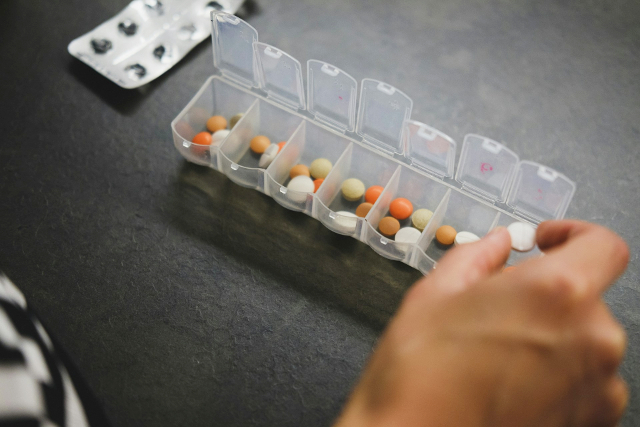
During an emergency, you may not have the time or ability to access a pharmacy for medicines. With planning, you can prepare for this possibility and avoid a serious medical problem.
In all likelihood, there will be a time when you will be unable to access a pharmacy for several days. A power outage could close the pharmacies, storms could make travel difficult or impossible, or a government shelter-in-place order could be in effect. Commonly, phone service is unavailable, and renewing prescriptions can be difficult. Fortunately, these problems usually don’t last much longer than a week, and we can be prepared.
The inability to go to the pharmacy may not seem like an emergency, but if you have medical problems that require prescription medications, it could be serious. Running out of prescription medications can be serious. Without insulin or other diabetes medications, blood sugars could rise dramatically. Heart conditions, such as hypertension and arrhythmias, may worsen after a day or two without medication. Blood thinners stop working as early as a day after a missed dose, possibly resulting in a stroke or a blood clot. Numerous other conditions may flare after missing only a few doses of medication. Even if you don’t have a serious condition, running out of any medication will prey on your mind, distracting you from other serious issues.
If your pharmacy is closed and you can access a different pharmacy, you can usually transfer your prescription and get what you need. Still, you should be prepared for the possibility that no pharmacies are available. For most medications, it is possible to stock up on a week or two of pills, with the primary exception being controlled substances. Most pharmacies will fill your prescriptions early, though occasionally, insurance companies won’t pay for them. If you can afford it, simply pay out of pocket. Then, continue renewing the prescriptions as you usually do, always leaving an extra supply. You will only have to pay out of pocket once because after that, you will be renewing on time. It is important not to let any medications expire, so when you renew your prescriptions, use the extra supply first, making a new reserve each time.
If you have a loss of power, medications that require refrigeration, such as insulin, can pose a problem. You may be able to get by for a short time if you can get ice locally, or if someone you know has a generator. Fortunately, some medications don’t require refrigeration after you open them, so check the directions provided.
You may also want to stock up on over-the-counter medications that you use regularly. For example, I use acetaminophen when I have a migraine and always keep some on hand. Several over-the-counter medications are used only occasionally but may be helpful during an emergency. Examples include cold medicines, anti-inflammatories, topical antibiotics, cortisone cream, anti-diarrheals, laxatives, antacids, antihistamines, and cough medicine. If you buy them in bulk, realize that several will expire before you need them. The Joseph Project offers many such medicines in well-packaged, small quantities, perfect for use in an emergency. If you regularly take vitamins or supplements, I suggest you keep a few weeks’ supply available, though missing a few doses is usually not significant.
Remember, all medications, vitamins, and supplements have risks and possible side effects. Discuss with your physician everything you take and read all written directions carefully.
Harold Oster grew up in Miami, Florida, graduating college and medical school at the University of Miami. He completed his internship and residency at UCSD Medical Center in San Diego. He then returned to the University of Miami for a fellowship in Infectious Diseases, remaining on faculty as Interim Chief of Infectious Diseases at the VA Medical Center.
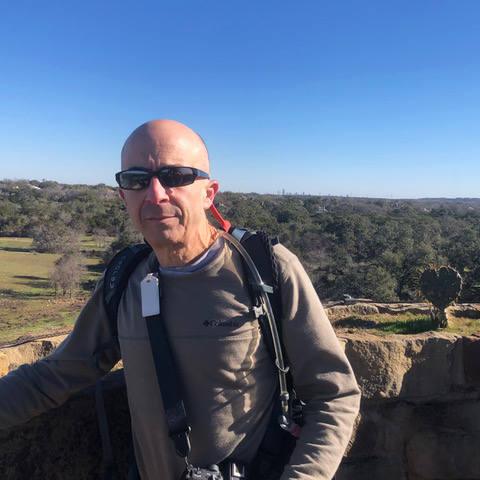
In 1999, Harold moved back to San Diego where he worked as a primary care internist at Scripps Clinic. In 2001, he left Scripps to work at UCSD Medical Center, practicing Internal Medicine and Infectious Diseases. In 2004, Harold and his family moved to Minnesota where he worked at Allina Health as an internist and clinic lead physician until retiring from the practice of medicine in 2024.
Harold’s medical interests are diverse, ranging from infectious diseases to diabetes and disease prevention. His passion for health and wellness led him to write a book on weight loss, The Three Rules to Lose Weight and Keep It Off Forever, which he updated with a second edition in 2024. He reviews medical articles for the Natural Health Research Institute and is currently working on another book.
Harold and his wife met in medical school. She has a thriving Ophthalmology practice, and their son is a senior software engineer at Optum Health. In his free time, Harold enjoys hiking, drawing, and playing the piano.